

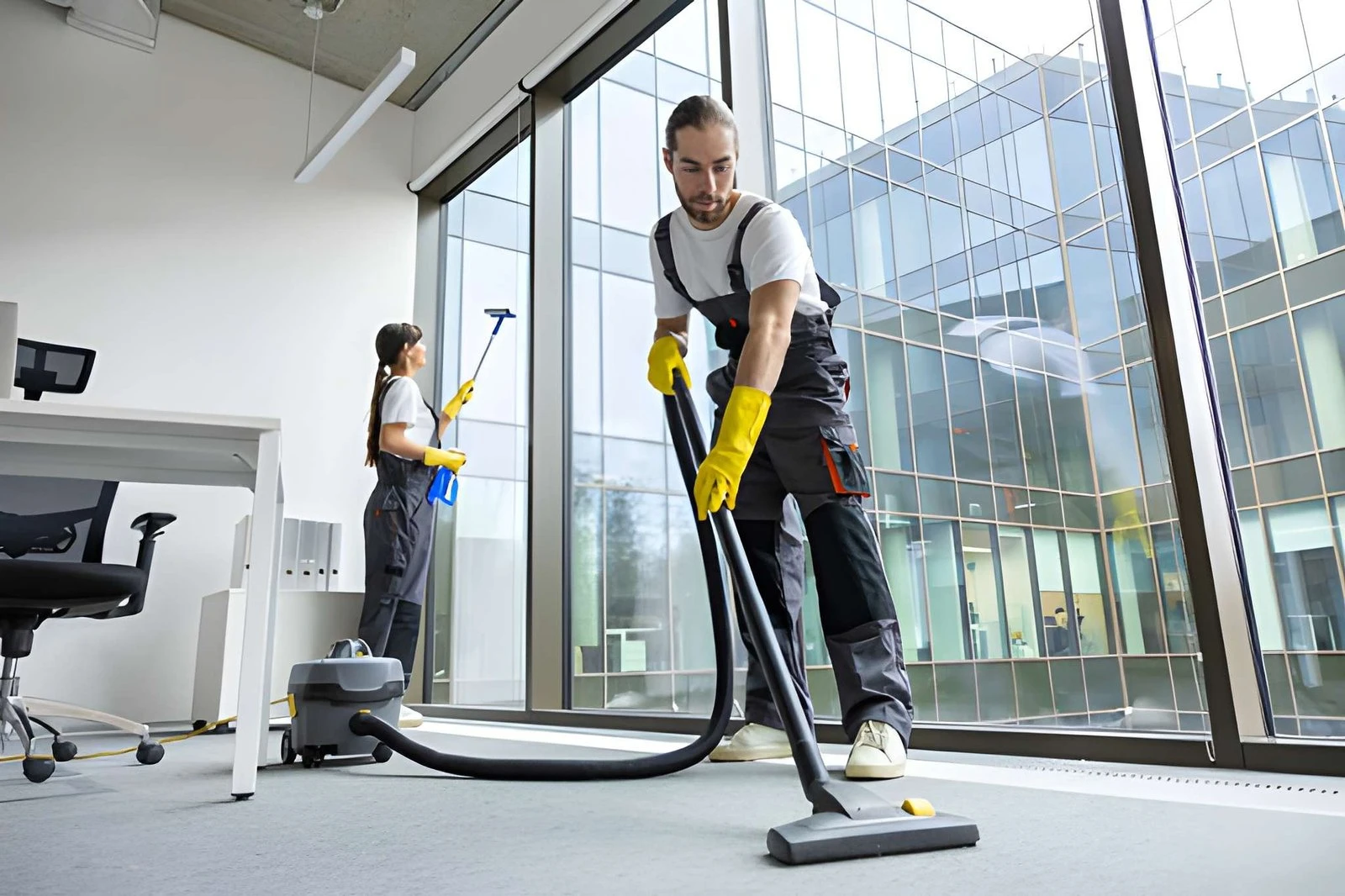
A Post-Construction Cleaning Checklist is the fastest way to turn a finished build into a safe, polished, move-in-ready commercial property in Houston. Even the best construction work leaves behind dust, debris, stickers, adhesive, and fine particles that settle everywhere.
For project managers, contractors, and developers, a clear checklist reduces rework and supports smoother final inspections. Additionally, it helps protect new floors, glass, fixtures, and finishes from damage during turnover.
Why a post-construction cleaning checklist matters for commercial projects
Post-construction cleaning is not just cosmetic. It helps remove hazards, improves indoor air quality, and creates a professional first impression for tenants and visitors.
Drywall dust, sawdust, paint residue, and packaging can hide in corners, vents, and ledges. Therefore, a structured construction cleaning process is essential for compliance, safety, and operational readiness.
Understanding the three phases of post-construction cleaning
Most commercial construction cleanup works best in stages. This approach prevents missed areas and keeps the site looking presentable as crews finish punch-list items.
Phase 1: Rough cleaning
Remove large debris, leftover materials, and trash. Clear walkways and staging areas so the building transitions from jobsite to facility.
Phase 2: Detailed cleaning
Deep clean surfaces throughout the building. Focus on dust removal, residue cleanup, and cleaning all high-visibility areas.
Phase 3: Final touch-up cleaning
Dust often resettles after the deep clean. A final pass shortly before occupancy fixes smudges, tracks, and last-minute buildup.
Post-Construction Cleaning Checklist for commercial interiors
Use this Post-Construction Cleaning Checklist to confirm every space is inspection-ready. While needs vary by property type, these tasks cover most office, retail, medical, warehouse, and education projects.
Core commercial cleaning tasks
- Remove construction debris, scrap, and discarded materials
- Sweep, HEPA vacuum, and dust all accessible surfaces
- Clean doors, frames, trim, baseboards, and walls
- Remove labels, stickers, protective films, and adhesive residue
- Wipe light switches, outlets, and other high-touch points
- Clean interior glass, mirrors, and partitions
- Prepare all rooms for move-in and final walkthroughs
Floor cleaning and surface preparation
Floors show imperfections immediately, especially under bright commercial lighting. However, different materials need different methods to avoid damage.
Carpet, tile, concrete, and specialty flooring
- Carpet: Deep vacuum to pull fine dust from fibers
- Tile and grout: Remove grout haze and construction film
- VCT/LVT: Clean residue, then apply finish if required
- Concrete: Dust control, scrub, and edge detailing
Additionally, clean countertops, cabinetry, shelving, and work surfaces with non-abrasive products. This protects new materials and keeps warranties intact.
Window and glass cleaning for a move-in-ready finish
Glass quickly reveals the quality of a commercial post-build cleaning. Remove dust, fingerprints, stickers, and protective coverings without scratching the surface.
Be sure to clean frames, tracks, mirrors, sidelights, and glass doors. Cleaning windows also improves natural light, which helps the space feel finished and welcoming.
Restroom and common area cleaning
Restrooms must be cleaned and sanitized before occupancy. Construction dust settles on partitions, fixtures, dispensers, and behind toilets, so detail work matters.
Areas to prioritize
- Sanitize toilets, urinals, sinks, counters, and touchpoints
- Polish mirrors, stainless steel, and chrome fixtures
- Clean breakrooms, kitchens, lobbies, elevators, and conference rooms
Because these areas see the most traffic, they influence first impressions and daily comfort.
HVAC and indoor air quality considerations in Houston
Indoor air quality often suffers after construction. Dust can collect at vents, registers, and grilles, then circulate through the building after move-in.
Therefore, clean accessible vent components and remove dust from nearby ledges and ceiling surfaces. In Houston’s humidity, controlling dust and airflow helps maintain a cleaner facility long-term.
Exterior commercial construction cleanup steps
Exterior areas create the first impression, so they should match the quality of the interior. Remove debris from sidewalks, entries, loading zones, and parking areas.
As needed, include pressure washing, entry door cleaning, and debris removal around landscaping. A clean exterior also improves safety at entrances and walkways.
Site readiness checklist before occupancy
Before turnover, confirm the building is ready for tenants, staff, and customers. This quick review prevents last-minute delays.
- Confirm all debris, cords, and trip hazards are removed
- Verify floors, glass, and visible surfaces are clean under lighting
- Check common areas for access, signage, and usability
- Confirm final documentation and inspections are complete
Final cleaning inspection: What project managers should review
A final cleaning inspection is the last quality control step. Walk the site with a checklist and verify each area meets scope and client expectations.
Focus on corners, ledges, door tops, behind fixtures, and other dust traps. Additionally, confirm restrooms, glass, floors, and entry areas are spotless and consistent across the property.
Common post-construction cleaning challenges in Houston
Fine dust can keep settling for days, especially in large commercial buildings. Tight schedules also require coordination between cleaners, contractors, and inspectors.
Houston weather can add moisture and tracking concerns at entrances. As a result, experienced commercial cleaning crews and clear scheduling make a major difference.
Benefits of hiring professional post-construction cleaning services
Professional post-construction cleaners bring trained staff, commercial equipment, and proven systems. This improves results and reduces the burden on project teams.
- Faster building turnover and fewer delays
- More consistent results across large facilities
- Improved safety and compliance support
- Better presentation for clients and tenants
- Less rework after the final walkthrough
Choosing the right post-construction cleaning partner in Houston
Choose a provider with commercial experience, strong safety practices, and flexible scheduling. Ask about staff training, quality control, and how they handle punch-list changes. Clear communication is essential. A reliable partner coordinates with your timeline and helps deliver a smooth, inspection-ready handoff.
Conclusion
A detailed Post-Construction Cleaning Checklist helps Houston commercial projects reach the finish line with confidence. When you cover debris removal, floors, glass, restrooms, HVAC details, and exterior cleanup, you protect the build and improve occupancy readiness.
Atlas Janitorial Services provides professional post-construction cleaning for commercial projects across Houston. Contact us to schedule a walkthrough and get a clean, polished, move-in-ready turnover.
FAQs
1. What is included in a Post-Construction Cleaning Checklist?
A typical checklist includes debris removal, dusting and HEPA vacuuming, floor care, window cleaning, restroom sanitation, adhesive removal, and final touch-up cleaning before occupancy.
2. How long does post-construction cleaning take for a commercial building?
Timing depends on building size, scope, and how much dust and residue remains. Smaller spaces may take one day, while large facilities often take several days.
3. Why is a final cleaning inspection important before turnover?
It confirms quality, finds missed areas, and helps ensure the property is clean, safe, and ready for client handover and occupancy.
4. What are common commercial construction cleanup challenges?
Fine dust removal, large square footage, tight deadlines, and coordination with multiple trades are the most common challenges during building turnover cleaning.
5. Should project managers hire professional post-construction cleaning services?
Yes. Professional crews have the tools, training, and systems to clean efficiently, reduce rework, and support faster, smoother project turnover.