

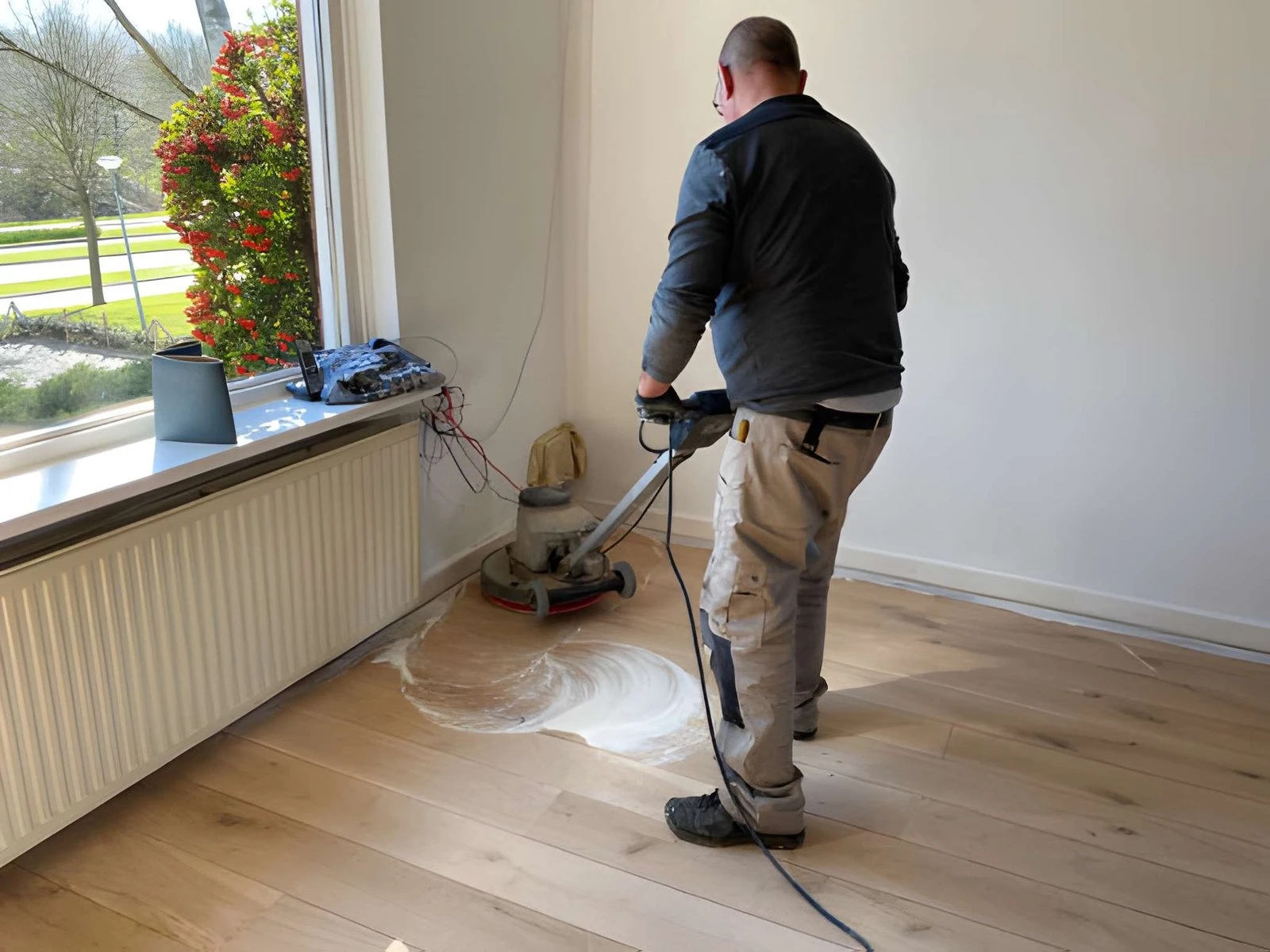
Wax for timber floors can protect hardwood, boost shine, and reduce daily wear when you use the right product and method. In busy commercial spaces, timber floors face constant foot traffic, dirt, and chair movement. Therefore, a clear maintenance plan is essential to keep floors looking professional.
Whether you manage an office, retail store, or hospitality venue, good floor care helps protect your investment. At Atlas Janitorial Services, we support businesses with proven cleaning, buffing, and polishing routines tailored to commercial timber flooring.
Why regular maintenance matters for hardwood floors
Hardwood floors collect fine grit that acts like sandpaper. Over time, this dulls the finish and causes light surface scratches. Moisture, spills, and dragged furniture can also mark or stain the surface.
Using a compatible wax and following a simple schedule helps create a protective layer. Additionally, routine buffing and periodic polishing can refresh the finish without major downtime. Preventive care is usually far cheaper than restoration.
How to choose the right wax for timber floors
Not every timber floor should be waxed. The best choice depends on the timber type, the existing finish, and traffic levels. Some floors are designed for waxing, while others have polyurethane or factory-applied coatings that can react poorly to wax.
Before you buy anything, confirm what finish you have. Using the wrong product can cause:
- Sticky buildup and cloudy haze
- Uneven shine and streaks
- Harder future refinishing or recoating
If you are unsure, get professional advice. It can prevent expensive mistakes and reduce maintenance issues later.
Preparing floors before applying wax
Preparation determines the final result. First, remove loose dust and grit with a soft broom or vacuum suited to timber. Then, clean with an approved wood floor cleaner to remove residue.
Next, let the floor dry fully. Moisture can reduce adhesion and cause patchy results. Finally, inspect for damaged boards, deep scratches, or stains that may need repairs before you start.
Quick pre-wax checklist
- Floor is clean and residue-free
- Surface is completely dry
- High-wear zones are identified
- Edges and corners are cleared for access
How to apply wax for timber floors without damage
When applying wax for timber floors, use a thin, even coat. Thick layers tend to streak, trap dirt, and take longer to cure. Work in small sections and follow the grain for a smoother look.
Allow the wax to cure as directed by the manufacturer. After that, limit foot traffic until the coating sets properly. This step improves durability and reduces scuffing during the first days.
Best practice tips for waxing
- Test in a small, hidden area first.
- Apply thin coats rather than one heavy coat.
- Use clean applicators to avoid contamination.
- Follow cure times before reopening the area.
Why buffing after waxing improves results
Buffing levels the waxed surface and brings out an even shine. It also helps reduce minor swirl marks and light imperfections. In commercial settings, scheduled buffing can keep floors looking fresh between deeper maintenance visits.
Professional equipment often delivers a more consistent finish than manual polishing. As a result, you get better clarity and fewer uneven patches across large areas.
Floor wax vs floor polish for wood: what is the difference?
Wax and polish are not the same, even though they are often confused. Wax for timber floors forms a protective layer that helps resist scuffs and wear. Floor polish for wood is mainly used to enhance gloss and improve the appearance of the existing finish.
Some floors benefit from polishing instead of waxing, especially when the surface coating is not wax-friendly. A quick assessment can determine whether waxing, polishing, or refinishing is the safest option.
How often should timber floors be waxed?
Waxing frequency depends on traffic and floor condition. Retail stores and hospitality venues often need more frequent care than low-traffic areas. Instead of relying on a fixed schedule, watch for signs of wear.
Consider reapplying when the floor looks dull after cleaning or when traffic lanes lose protection. Regular inspections help you act early, which keeps maintenance simpler and cheaper.
Common mistakes to avoid with waxed timber flooring
Many issues come from using the wrong product or rushing the process. Avoid these common problems to protect the finish and reduce long-term costs:
- Applying wax to polyurethane or factory-finished floors that are not designed for waxing
- Using too much wax, which can leave residue and attract dirt
- Skipping cleaning, which traps grit under the coating
- Delaying maintenance until scratches and wear become severe
Why professional floor maintenance is worth it
Commercial timber flooring is a major asset. Professional floor maintenance helps ensure the right products, safe machines, and correct techniques are used for your floor type. This reduces the risk of damage and helps maintain a consistent appearance across high-traffic areas.
At Atlas Janitorial Services, we provide routine cleaning, polishing, and buffing of hardwood floors for commercial sites. We also select and apply the appropriate wax for timber floors to support long-lasting protection and a clean, professional finish.
Conclusion: Protect your hardwood floors with the right process
Maintaining hardwood floors takes more than basic sweeping. Choosing the correct wax for timber floors, preparing the surface properly, and using safe waxing, buffing, and polishing methods all help preserve durability and appearance.
If you want consistent results with minimal disruption, contact Atlas Janitorial Services for a tailored commercial floor maintenance plan. We will help your timber floors stay clean, glossy, and protected year-round.
FAQs
1. What type of wax is best for timber floors?
The best option depends on your timber and the current finish. Choose a wax that is compatible and designed for your floor system.
2. How often should timber floors be waxed?
It depends on traffic and wear. High-traffic commercial areas often need more frequent maintenance than quiet spaces.
3. Can all hardwood floors be waxed?
No. Some polyurethane or factory-finished floors are not suitable for wax. Confirm the finish before applying any product.
4. What is the difference between floor wax and floor polish?
Wax adds a protective layer. Floor polish for wood mainly improves shine and refreshes the existing finish.
5. Is professional waxing and buffing worth it for commercial floors?
Yes. Professional service helps avoid product mismatches, reduces damage risk, and extends the life of commercial hardwood floors.