Industrial cleaners handle tough, high-risk messes that regular janitorial work cannot manage. However, many businesses still compare industrial cleaning with commercial cleaning as if they are the same service. They are not.
Choosing the right option protects your staff, supports compliance, and keeps your facility running well. At Atlas Janitorial Services, we match the cleaning plan to your building, industry, and daily workflow.
What industrial cleaners do in high-demand facilities
Industrial cleaners specialize in sites with heavy equipment, production processes, and industrial contaminants. These locations often include grease, oil, metal shavings, chemical residue, and fine dust.
Industrial cleaning goes beyond routine housekeeping. It focuses on safety, uptime, and contamination control in operational areas. Businesses that need specialized cleaning can benefit from learning why hire professionals for commercial post construction cleaning for demanding work environments.
Common industrial cleaning tasks
- Degreasing floors and production zones
- Cleaning around machinery, conveyors, and loading docks
- Removing dust buildup and debris that can impact operations
- Using industrial-grade products for stubborn soils
- Supporting site safety rules and documented procedures
What commercial cleaning teams handle day to day
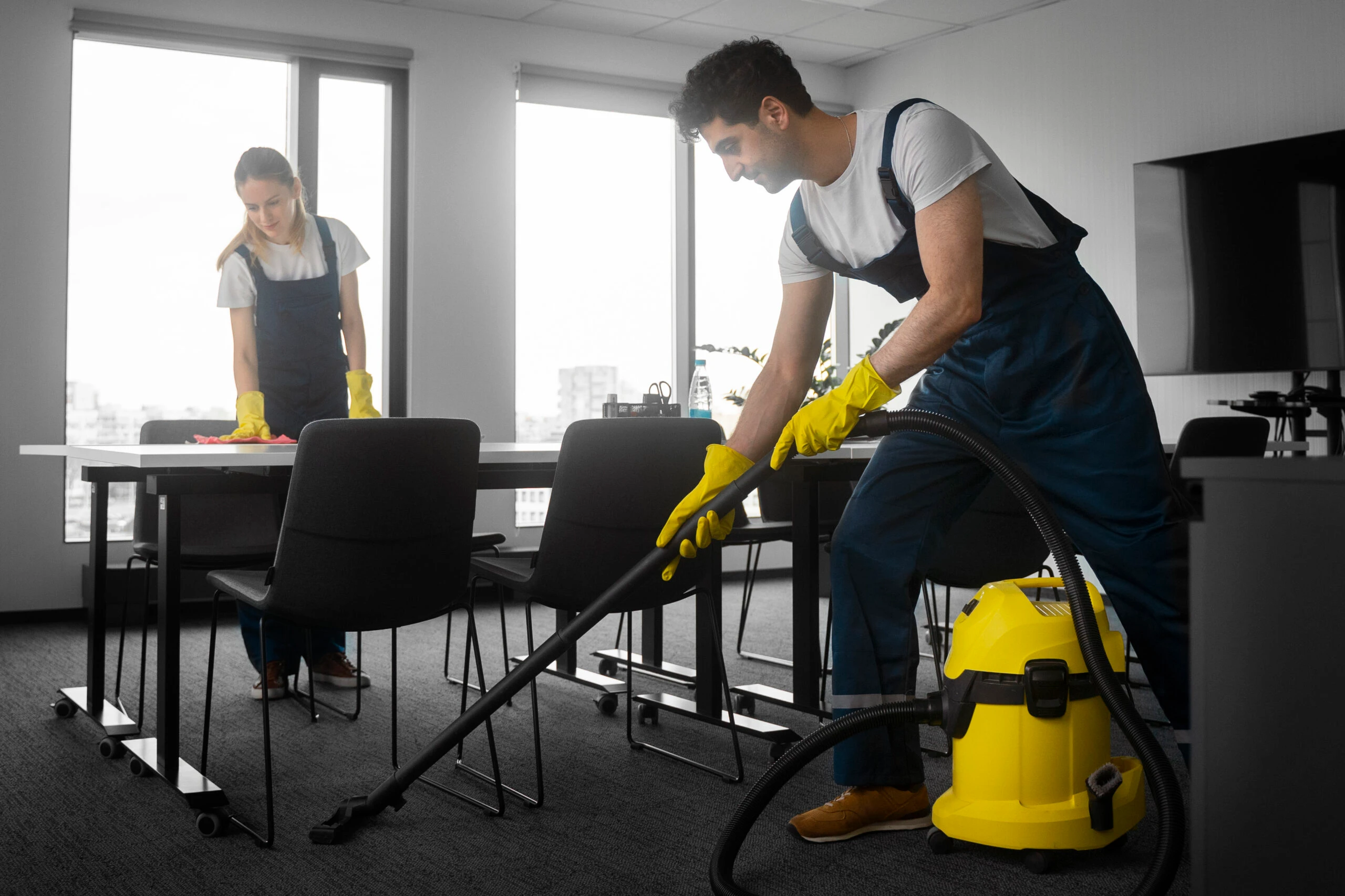
Commercial cleaning focuses on public-facing and employee spaces. These environments usually have fewer hazards and do not require highly specialized equipment.
Additionally, commercial cleaning services are built around appearance, hygiene, and consistent daily maintenance.
Typical commercial cleaning services
- Vacuuming and mopping floors
- Dusting desks, fixtures, and surfaces
- Disinfecting restrooms and break rooms
- Sanitizing high-touch points like handles and switches
- Trash removal and common area upkeep
Main differences between industrial and commercial cleaning
Both services aim to create clean spaces. However, their scope, tools, and training requirements are very different.
Industrial cleaners often follow stricter safety protocols due to chemicals, moving machinery, and higher-risk work zones. Commercial teams typically focus on routine sanitation and a welcoming environment. Understanding the difference between janitorial services vs commercial cleaning services can also help businesses choose the right solution.
Quick comparison
- Environment: factories and warehouses vs offices and retail
- Soils: grease, dust, residue vs everyday dirt and germs
- Tools: industrial vacuums and pressure washing vs standard floor equipment
- Risk level: higher compliance and hazards vs lower-risk public spaces
Facilities best suited for each service
In most cases, the function of the building matters more than its size. Therefore, you should choose a team based on what happens inside your facility.
Facilities that often need industrial cleaning
- Manufacturing plants and production floors
- Warehouses and distribution centers
- Food processing facilities
- Automotive and heavy equipment sites
- Large industrial complexes
Facilities that often need commercial cleaning
- Office buildings and shared workspaces
- Retail stores and shopping centers
- Schools and educational facilities
- Clinics and healthcare offices
- Banks, hotels, and other commercial buildings
Equipment, methods, and products used
Equipment is one of the clearest differences. Industrial settings often demand stronger tools and targeted methods to remove heavy buildup.
Industrial cleaners may use pressure washing equipment, specialized floor scrubbers, industrial vacuums, and powerful degreasers. Commercial teams usually use microfiber systems, standard vacuums, and disinfectants designed for everyday workplace cleaning. The complete guide to cleaning agents explains how different products are used for different cleaning requirements.
Safety and compliance requirements
Safety matters in both services. Still, industrial sites often require stricter compliance due to hazardous materials, elevated work areas, and active equipment.
Commercial cleaning also follows safe chemical handling and sanitation best practices. However, the overall risk level is usually lower than in industrial operations.
Which businesses should hire industrial cleaners?
Companies in manufacturing, logistics, food production, pharmaceuticals, and heavy industry often benefit from industrial cleaners. This work supports safe production, protects equipment, and reduces contamination.
Without consistent industrial cleaning, debris and grease can raise maintenance costs and increase hazards. As a result, performance and safety may suffer.
When commercial cleaning is the better fit
Commercial cleaning is ideal for organizations that prioritize cleanliness, employee wellness, and customer experience. Offices, retail stores, schools, and clinics typically need reliable routines that keep spaces sanitary and presentable.
For these businesses, commercial cleaning offers the right balance of results and cost control.
How to choose the right cleaning partner
Start by reviewing what your site requires each day. Then, consider operational hours, safety rules, and long-term maintenance goals.
Questions to ask before you hire
- What contaminants and surfaces need specialized care?
- Are there compliance rules or documented procedures?
- Do you need deep cleaning, daily service, or both?
- Will cleaning happen during production or after hours?
- What results matter most: safety, appearance, uptime, or all three?
At Atlas Janitorial Services, we build custom plans for both industrial and commercial environments. Whether you need industrial cleaners for demanding work zones or a commercial team for daily janitorial services, we help you get consistent results.
Conclusion: Industrial vs commercial cleaning made simple
Industrial cleaners are designed for factories, warehouses, and production facilities with heavy soils, specialized tools, and strict safety requirements. Commercial cleaning teams focus on offices, retail spaces, schools, and other public environments where hygiene and appearance matter most.
Need help choosing? Contact Atlas Janitorial Services to schedule a walkthrough and get a cleaning plan that fits your facility.
FAQs
1. What is the difference between industrial cleaning and commercial cleaning?
Industrial cleaning targets high-demand facilities like factories and warehouses. Commercial cleaning supports routine maintenance in offices, retail, schools, and similar spaces.
2. Which businesses should hire industrial cleaners?
Manufacturing plants, distribution centers, food processing sites, automotive facilities, and warehouses often need industrial cleaners due to heavy soils and higher safety demands.
3. How often should an industrial facility be professionally cleaned?
It depends on production volume, site risks, and regulations. Some facilities need daily service, while others schedule weekly or periodic deep cleaning.
4. Can one company provide both industrial and commercial cleaning services?
Yes. Many providers offer both options, which makes it easier to scale services across different sites.
5. Why is professional cleaning important for industrial facilities?
It improves safety, reduces dust and debris, supports equipment performance, and helps maintain cleanliness standards in demanding environments.